Top 5 Electric Vehicle Battery Manufacturers in the World
Add bookmark
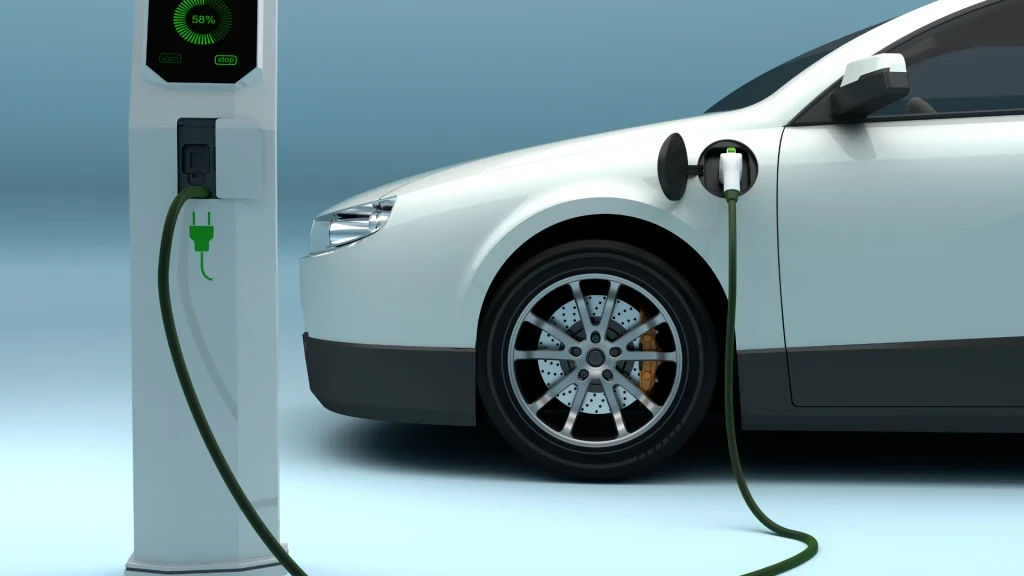
The global electric vehicle (EV) battery industry is expanding rapidly, with manufacturers competing to develop faster-charging, longer-lasting and more affordable battery technologies. As EV demand increases, a small group of battery manufacturers continues to dominate global production and supply.
The five largest EV battery manufacturers in the world are CATL, BYD, LG Energy Solution, Gotion High-Tech and CALB. This ranking is based on global EV battery market share, measured by the total battery capacity (GWh) installed in electric and hybrid vehicles, using the latest data from SNE Research.
Together, these companies accounted for approximately 73% of global EV battery installations between January and September 2026.
Here is a closer look at the world's leading electric vehicle battery manufacturers, their market valuations, technologies, manufacturing operations and global market share.
1. CATL
Headquarters: Ningde, China
Founded: 2011
Market Capitalisation: Approximately $173 billion (November 2026)
Global EV Battery Market Share: 39.1%
Contemporary Amperex Technology Co. Limited (CATL) is the world's largest electric vehicle battery manufacturer, supplying lithium-ion batteries to some of the biggest automotive manufacturers globally.
How big is CATL? Between January and September 2026, CATL supplied approximately 389.2 GWh of batteries installed in electric and hybrid vehicles worldwide, representing 39.1% of the global market. Its customers include Tesla, BMW, Mercedes-Benz and Volkswagen.
What is it developing? CATL is investing heavily in next-generation battery technologies, including its Shenxing ultra-fast-charging LFP batteries, Qilin high-energy-density battery systems and Naxtra sodium-ion technology. These developments focus on improving charging speeds, driving range, battery safety and performance in extreme temperatures.
Where does it operate? CATL has extensive manufacturing operations in China and Germany, with major international expansion projects in Hungary, Spain and Indonesia. Its growing overseas presence is helping automotive manufacturers establish more localised battery supply chains.
CATL's combination of manufacturing scale, technological innovation and global automotive partnerships has established it as one of the most significant players in the EV battery industry.
2. BYD
Headquarters: Shenzhen, China
Founded: 1995
Market Capitalisation: Approximately $112 billion (November 2026)
Global EV Battery Market Share: 15.2%
BYD is one of the world's largest electric vehicle manufacturers and the second-largest EV battery supplier. Unlike many competitors, BYD designs and manufactures both electric vehicles and the batteries that power them.
How big is BYD? BYD recorded approximately 150.9 GWh of global EV battery installations during the first nine months of 2026, accounting for 15.2% of the market. Much of this demand comes from its own electric and plug-in hybrid vehicle production, although the company also supplies battery technology to external customers.
What is it developing? BYD is best known for its Blade Battery, which uses lithium iron phosphate (LFP) chemistry to improve safety, durability and packaging efficiency. In March 2026, the company unveiled its second-generation Blade Battery and FLASH Charging technology, designed to significantly reduce charging times.
Where does it operate? BYD's battery manufacturing operations are concentrated in China, with international expansion including Brazil. Its wider automotive manufacturing footprint also extends into Europe and Southeast Asia.
BYD's vertically integrated business model gives it significant control over battery costs, vehicle production and technological development, making it a major competitor to CATL.
3. LG Energy Solution
Headquarters: Seoul, South Korea
Founded: 2020 (spun off from LG Chem)
Market Capitalisation: Approximately $58 billion (November 2026)
Global EV Battery Market Share: 8.2%
LG Energy Solution is one of the world's largest electric vehicle battery manufacturers and a leading supplier to established automotive OEMs across North America, Europe and Asia.
How big is LG Energy Solution? The company recorded approximately 81.9 GWh of EV battery installations between January and September 2026, representing 8.2% of the global market. Its automotive partnerships include General Motors, Hyundai Motor Group, Honda and several major European manufacturers.
What is it developing? LG Energy Solution develops a range of lithium-ion battery technologies, including nickel-rich battery chemistries and lithium iron phosphate (LFP) solutions. Its research focuses on improving energy density, battery longevity, and manufacturing efficiency.
Where does it operate? The company maintains production facilities in South Korea, China, Poland and the United States, alongside major investments in Canada and joint ventures with automotive manufacturers. In August 2026, LG Energy Solution announced the start of production at its new battery facility in Lansing, Michigan.
Its extensive international manufacturing network makes LG Energy Solution an important supplier for automotive OEMs seeking diversified regional battery production.
4. Gotion High-Tech
Headquarters: Hefei, China
Founded: 2006
Market Capitalisation: Approximately $6.6 billion (November 2026)
Global EV Battery Market Share: 5.1%
Gotion High-Tech is a fast-growing electric vehicle battery manufacturer specialising in lithium-ion batteries, energy storage systems and next-generation battery materials.
How big is Gotion? Gotion installed approximately 50.3 GWh of EV batteries worldwide during the first nine months of 2026, representing 5.1% of the global market. This marked an increase of approximately 48% compared with the same period in 2025.
What is it developing? Gotion specialises in lithium iron phosphate (LFP) batteries, alongside advanced battery materials and higher-energy-density technologies. The company is working to improve battery affordability, safety and energy efficiency for electric passenger cars and commercial vehicles.
Where does it operate? Gotion has major operations in China and a manufacturing presence in Germany. However it is now expanding its international footprint through partnerships and production projects across Europe and other markets.
In September 2026, Volkswagen Group, PowerCo and Gotion announced an expanded partnership involving planned LFP battery production in Spain and Slovakia, alongside cathode material production in Morocco.
Gotion's rapid growth and international automotive partnerships position it as an increasingly important competitor in the global EV battery supply chain.
5. CALB
Headquarters: Changzhou, China
Founded: 2007
Market Capitalisation: Approximately $3.2 billion (November 2026)
Global EV Battery Market Share: 5.0%
CALB Group is a major Chinese battery manufacturer specialising in lithium-ion batteries for electric passenger vehicles, commercial vehicles and energy storage systems.
How big is CALB? Between January and September 2026, CALB recorded approximately 50.1 GWh of EV battery installations globally, accounting for 5.0% of the market. The company has become one of China's leading battery suppliers, competing closely with Gotion for fourth place in global market share.
What is it developing? CALB manufactures both lithium iron phosphate (LFP) and nickel-based ternary batteries. Its research focuses on high-energy-density battery cells, improved safety, longer battery lifespan and efficient cell-to-pack integration.
Where does it operate? CALB's main manufacturing and research operations are based across China, where it supplies automotive manufacturers and energy storage customers. The company is also developing its international business and participation in global battery supply chains.
In 2026, CALB participated in the Global Battery Alliance's Battery Passport trials, supporting improved battery traceability and compliance with emerging sustainability requirements.
With continued investment in battery development and manufacturing scale, CALB is strengthening its position among the world's largest electric vehicle battery suppliers.
Which EV Battery Manufacturer Is the Biggest?
CATL is the largest electric vehicle battery manufacturer in the world by installed battery capacity, holding 39.1% of the global market in the first nine months of 2026. BYD follows with 15.2%, while LG Energy Solution ranks third with 8.2%.
Although CATL and BYD continue to dominate the market, manufacturers such as Gotion and CALB are increasing their global presence through new battery technologies, production investments and automotive partnerships.
The next phase of competition will be shaped by battery cost reductions, faster charging, improvements in energy density and the commercialisation of technologies such as sodium-ion and solid-state batteries.
Frequently Asked Questions
Who is the world's largest electric vehicle battery manufacturer?
CATL is the world's largest EV battery manufacturer, with approximately 39.1% global market share between January and September 2026, according to SNE Research.
Which companies manufacture the most EV batteries?
The five largest manufacturers by installed EV battery capacity are CATL, BYD, LG Energy Solution, Gotion High-Tech and CALB, based on January–September 2026 data.
Which EV battery manufacturers supply Tesla?
Tesla sources batteries from multiple manufacturers, including CATL, Panasonic and LG Energy Solution. Its supplier mix varies depending on vehicle model, battery chemistry and manufacturing location.
What is the difference between LFP and NMC batteries?
LFP (lithium iron phosphate) batteries generally offer lower material costs, strong thermal stability and long cycle life. NMC (nickel manganese cobalt) batteries typically provide higher energy density, making them attractive for vehicles requiring longer driving ranges.
Which country produces the most electric vehicle batteries?
China dominates global EV battery manufacturing. According to SNE Research, seven Chinese manufacturers accounted for approximately 73% of global EV battery installations during January–September 2026.
Data note: Market share and installation volumes are based on SNE Research's January–September 2026 global EV battery usage rankings, which include batteries installed in EVs, plug-in hybrids and hybrid vehicles. Market capitalisations are approximate November 2026 figures and are subject to daily fluctuations. BYD's valuation covers its entire automotive and battery business.