Autonomous Vehicles Online 2026 Agenda
2:00 pm - 2:05 pm
Opening Remarks
2:05 pm - 2:40 pm
Panel Discussion: How AI and SDV Architectures Are Enabling Next Generation Scalable L3, L3+ and L4 Autonomy
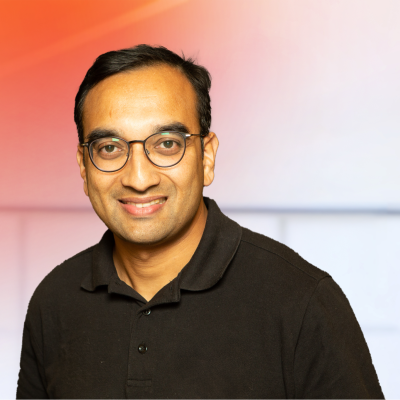
David Doria -
Director of Engineering - Automated Driving,
Magna International
Ahmed AbuTabl - Engineering Director - Head of Global Software Engineering - Body Control, FORVIA HELLA
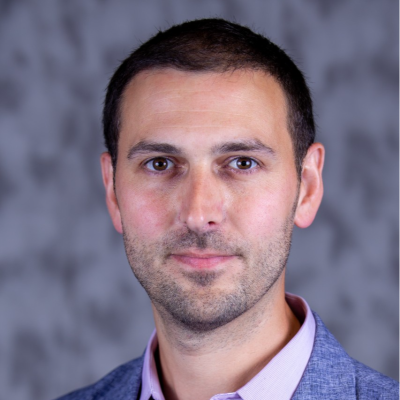
Sergey Malygin - CEO, SODA.Auto
AI and software-defined architectures are redefining what’s possible in autonomous mobility. This session explores the key technological shifts enabling safer, smarter, and more scalable autonomous systems.
Topics include:
- Advancing from Level 2 assistance to scalable Level 3/4 autonomy with more human-like driving behaviour
- Emerging generative AI applications inside the vehicle
- The industry-wide transition to centralised and zonal architectures to support complex, software-driven features
- The role of V2X communication in enhancing safety, efficiency, and situational awareness
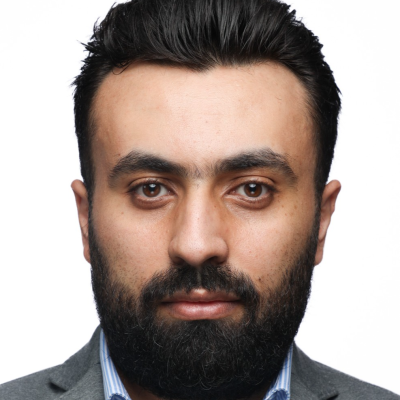
Ahmed AbuTabl
Engineering Director - Head of Global Software Engineering - Body ControlFORVIA HELLA

2:40 pm - 3:15 pm
Panel Discussion: Overcoming Skepticism: How to Build Public Trust in Robotaxis
Aitor Pena Morales -
Regional Sales Excellence Lead - Spain and Portugal,
BYD EUROPE
Philip Koopman - Faculty Emeritus, Carnegie Mellon University
For the successful adoption of robotaxis, public trust and acceptance are essential. Trust is earned through transparent communication, clear demonstrations of vehicle capabilities, and a strong, consistent safety record. Join this session to discover how to build and maintain consumer confidence while addressing common misconceptions.
This panel will cover:
- How to clearly communicate the benefits and value of robotaxis to consumers
- Overcoming anxiety around system failures, unexpected situations, and uncertainty
- Data security and privacy: explaining transparently how user data is collected and used
- Establishing strong, visible safety standards to reinforce long-term trust

3:15 pm - 3:35 pm
Solution Showcase: From SDV to AIDV - Achieving Escape Velocity in Automotive Transformation
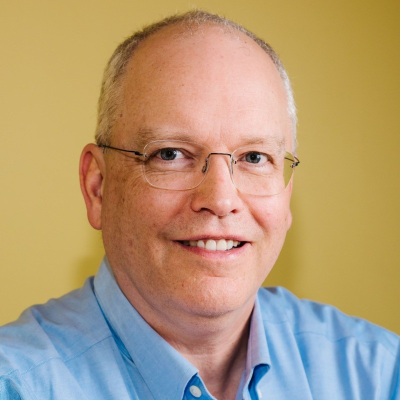
Bob Monkman -
Sr. Principal Product Marketing Manager, Automotive,
Red Hat
The automotive industry is experiencing a clear split in development velocity. While leading Chinese OEMs operate with cloud-native, software-defined architectures and deliver new vehicles in roughly half the traditional cycle time, many incumbent manufacturers are transitioning, balancing software-defined ambitions with established hardware-led processes. This results in a widening efficiency and capability gap that directly impacts cost, innovation speed, and global competitiveness.
This talk examines the consequences of maintaining current development models. In a software-defined vehicle ecosystem, given the pace of innovation reshaping the competitive landscape, slower iteration can contribute to an ever-widening gap, underscoring the need for more open, AI-accelerated collaboration. We explore the potential impact of AI as a practical accelerator across the software development lifecycle, outlining potential efficiency gains from modern AI techniques, the infrastructure prerequisites to enable them, and how collaborative industry initiatives, such as S-CORE, could act as force multipliers for incumbents.
3:35 pm - 4:10 pm
Panel Discussion: Future-Proofing Cyber Security for Autonomous Vehicles
Dr. Sheikh Mahbub Habib -
Head of Product Cybersecurity and Privacy Innovation,
AUMOVIO
Florian Rohde - Managing Partner, iProcess LLC
With cyber security now being a core pillar of safety and trust, the automotive industry must build a resilient and future-proof defence against emerging cyber vulnerabilities.
This panel will bring together automotive security experts to discuss:
- Securing AV systems and protecting decision-making models from manipulation
- Ensuring safe, authenticated, and reliable OTA software updates
- Defining what “future-proof” cyber security truly means in an autonomous-vehicle era